Apple CXMT Memory Chips Could Lower iPhone Production Costs
Apple CXMT memory chips have become a major topic after reports revealed that Apple is seeking U.S. approval to purchase DRAM from Chinese manufacturer ChangXin Memory Technologies (CXMT). As memory prices continue to climb, Apple wants to reduce production costs for future devices, including the iPhone 18 Pro. Therefore, the company is exploring new suppliers to strengthen its supply chain and improve long-term stability.
Why Apple Wants CXMT Memory Chips
According to recent reports, Apple has contacted officials in the Trump administration and the U.S. Commerce Department. Specifically, the company wants assurances that it can continue purchasing Apple CXMT memory chips even if future trade restrictions become stricter.
Although the Pentagon has placed CXMT on a list of companies with alleged military ties, the company does not currently appear on the U.S. Entity List. As a result, Apple can still work with CXMT while seeking greater regulatory certainty before making a long-term commitment.
Memory Prices Continue to Rise
Meanwhile, DRAM and flash storage prices have increased sharply across the global technology industry. Consequently, manufacturers now face much higher production costs for smartphones, tablets, laptops, and AI hardware.
Apple has already raised prices on several products, including Macs, iPads, Vision Pro, and other devices. Furthermore, analysts expect memory and storage components to account for a much larger percentage of the iPhone 18 Pro’s manufacturing cost than in previous generations.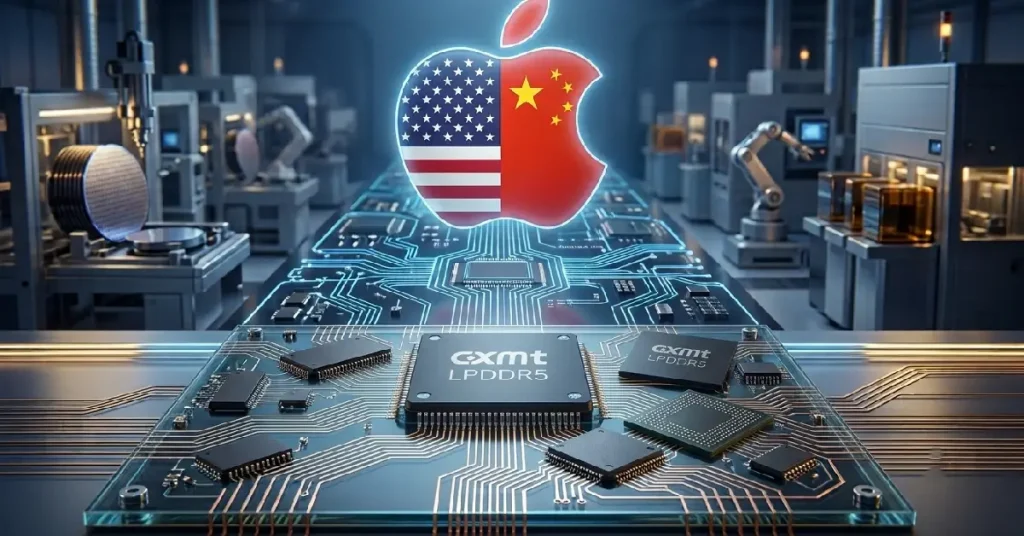
How Apple CXMT Memory Chips Could Help
In addition, CXMT has expanded its DRAM production capacity significantly during the past year. If regulators approve Apple’s request, the company could add Apple CXMT memory chips to its supplier network, reduce its dependence on existing memory manufacturers, and improve its negotiating position.
Moreover, expanding Apple’s supplier base could help stabilize component availability during future shortages while creating more competition in the global memory market.
Political and Supply Chain Challenges
However, Apple’s proposal arrives during continued trade tensions between the United States and China. Therefore, government officials will likely examine the request carefully before making a final decision.
Nevertheless, industry analysts believe an approval could reshape Apple’s semiconductor strategy and encourage other technology companies to diversify their own memory suppliers.
What It Means for Future Apple Devices
If Apple receives approval, additional DRAM supplies could help control production expenses for future iPhones, Macs, iPads, and other products. Even so, consumers may continue paying higher prices while the global memory shortage persists.
At the same time, adding another supplier would give Apple greater flexibility when negotiating contracts with existing memory manufacturers.
Final Thoughts
Overall, Apple CXMT memory chips represent an important part of Apple’s strategy to manage rising semiconductor costs. As the company searches for reliable suppliers, the outcome of its discussions with U.S. regulators could influence future iPhone pricing, semiconductor competition, and the broader technology industry.